
Forgemoji Blog
Emoji Guides & Trends
Practical guides on creating Discord emoji, Telegram stickers, understanding Gen Z emoji culture, and getting the most out of AI emoji generators.
We write these guides from day-to-day support tickets, community feedback, and our own experiments with new emoji. Every article is reviewed by at least one editor before publishing and updated when platforms change their rules. The emoji landscape shifts fast: Discord rolls out new upload size limits, Telegram tweaks sticker export sizes, and Gen Z slang cycles through a new batch of symbols every few months. So we keep the writing tied to real, observable behavior, not vibes.
Looking for a specific topic? Try Gen Z emoji meanings, how to make Discord emoji, or Telegram sticker size rules.
Daily Emoji Astrology: How to Read a Four-Emoji Fortune
Daily Emoji Astrology is not trying to predict your future. It gives you four symbols, a mood, and a small question to carry into the day when your brain could use a change of angle.
Emoji Size Guide: Discord, Slack, and Telegram Compared
The same custom emoji file does not work everywhere. Compare dimensions, formats, transparency, and animation before you upload to Discord, Slack, or Telegram.
Animated Emoji Guide: How to Choose a Motion, Size, and Export Format
Animation should make an emoji easier to feel, not harder to read. Choose the motion, size, and export format around the reaction and the platform where you will use it.
Custom Emoji Maker Guide: From Idea to a Reusable Emoji File
A custom emoji is only useful when it survives the journey from idea to chat: clear at a small size, transparent around the edges, and exported in a format the destination can actually use.
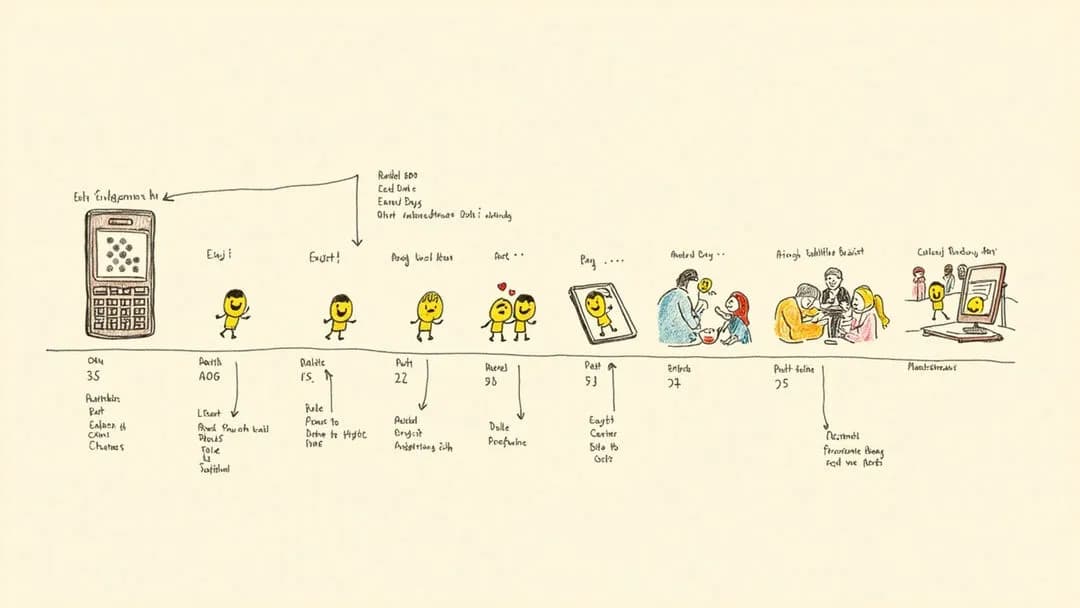
How Emoji Became a Language: 25 Years of Visual Communication
In 1999, a 25-year-old designer at NTT DoCoMo shipped 176 12x12 pixel icons to a pager network. Those icons are the ancestors of every 😂, 🔥, and 💀 on your phone today. This is the story of how a Japanese pager hack became a global visual language.
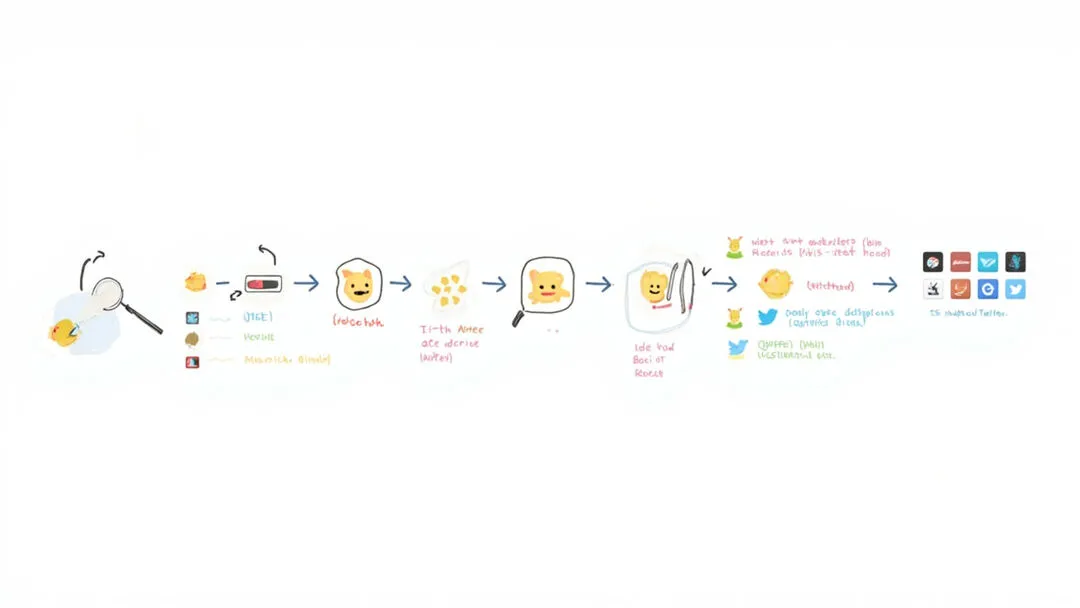
What Every Content Creator Should Know About Emoji Encoding
Emoji are text, not images. They are encoded as Unicode codepoints, stored as UTF-8 bytes, rendered by the platform. Most content creators treat them as opaque glyphs. The encoding is where the bugs live.
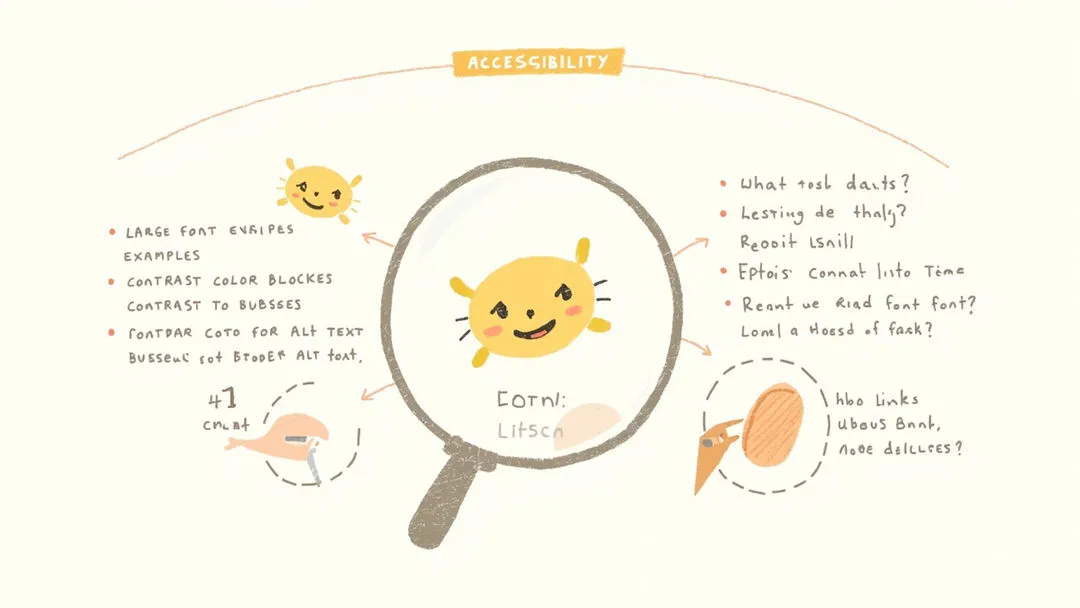
Emoji Accessibility: 7 Patterns for Screen Readers and Inclusive Design
Roughly 1 in 5 internet users has a disability. Emoji accessibility is not a niche concern. Here are 7 patterns for making emoji work for screen readers and for inclusive design in general, with original data from the Forgemoji user base.
Generative AI Is Quietly Breaking the Fixed Emoji Set
The Unicode Consortium adds about 60-70 emoji a year. Generative AI can produce an emoji-quality image in under a minute. The fixed set is becoming one tier in a much larger ecosystem, and the tier below it is being eaten by AI.
About the editorial team
The Forgemoji blog is written by a small editorial team of emoji culture researchers, former platform moderators (Discord, Telegram), and applied-ML engineers. Every guide is reviewed by at least two editors before publishing: one for technical accuracy, one for tone and reader relevance. Profiles for each contributor are on the About Forgemoji page, including the platform-specific engineers who have shipped emoji-related features at scale and the linguists who track how emoji meaning shifts year to year.
We do not use AI to write articles. Forgemoji's AI generates emoji art; the writing on this blog is human-edited, fact-checked against current Unicode release notes, and updated when the platforms we cover (Discord, Telegram, Slack) change their emoji upload requirements.
 Lois ChenContent & Emoji Linguistics
 Ricky TanCo-founder, Engineering
 Pixie WongVisual Design Lead